ASC artikler Del av arbeidet i ASC består av å drive relevant forskning på problemstillinger rundt å arbeide internasjonalt, samt å holde oss faglig oppdatert. Som ledd i å formidle ny kunnskap, skriver vi korte artikler som oppsummerer enkelte nye konsepter. |
Alle ønsker å bidra til en vellykket utstasjonering, men hva betyr egentlig «vellykket»? 5. september 2017
En utstasjonering innebærer en stor investering, både direkte kostander knyttet til flytting og bosetting, men også indirekte, i form av forretningsutfall. På grunn av disse høye kostnadene, har temaet om gode utfall fra en utstasjonering vært hyppig diskutert og forsket mye på. Men hvilket utfall som skal måles og hva som innebærer at den er vellykket, kommer an på hvem sitt perspektiv som legges til grunn, og hvilken mål den gitte parten har for utstasjoneringen. . ... Les mer |
Kunsten å lytte å bidra konstruktivt til den gode og verdifulle samtalen 14. april 2016
 En utstasjonering krever at en lærer om et nytt miljø og at en bygger nye relasjoner. Gode samtaler er sentralt i denne prosessen. Tverrkulturell forståelse og evner til god "Small Talk" forenkler denne prosessen. Begge bygger på evnen til å føre en god samtale, et håndverk som er like relevant for alle, uansett om en fortsetter å bo på samme sted som en har bodd hele livet, eller om en flytter til en eksotisk by. En utstasjonering krever at en lærer om et nytt miljø og at en bygger nye relasjoner. Gode samtaler er sentralt i denne prosessen. Tverrkulturell forståelse og evner til god "Small Talk" forenkler denne prosessen. Begge bygger på evnen til å føre en god samtale, et håndverk som er like relevant for alle, uansett om en fortsetter å bo på samme sted som en har bodd hele livet, eller om en flytter til en eksotisk by.
8 råd for hvordan føre en bedre samtale. ... Les mer |
Kulturell intelligens øker tilpasning, prestasjon på jobb og generell velvære i utlandet. 11. januar 2016
 De siste årene har et stort antall studier vist en klar sammenheng mellom kulturell intelligens og hvordan utstasjonerte integrerer seg lokalt, presterer på jobb og med generell trivsel. Sistnevnte er et resultat av at det reduserer stress og usikkerhet i møter med lokal kultur. Ikke overraskende, er det også en sammenheng med hvor fornøyd utstasjonerte er med oppholdet sitt. .... Les mer De siste årene har et stort antall studier vist en klar sammenheng mellom kulturell intelligens og hvordan utstasjonerte integrerer seg lokalt, presterer på jobb og med generell trivsel. Sistnevnte er et resultat av at det reduserer stress og usikkerhet i møter med lokal kultur. Ikke overraskende, er det også en sammenheng med hvor fornøyd utstasjonerte er med oppholdet sitt. .... Les mer |
Språk er mer en gloser, det handler om kulturelle referanser også! 11. november 2015
 Hvor flytende du er i et språk er et spørsmål om hvor godt du forstår- og blir forstått av andre. Det er mer enn bare ordforråd og aksent. I hverdagsspråket bruker vi ofte referanser som gir en dypere mening, men med få ord. I USA er det vanlig med ord og uttrykk fra sport, tv-serier og filmer. Det hjelper lite å forstå ordene individuelt i uttrykkene: “Monday morning quarterback”, “Swing for the fences” og "Hail Mary pass", om man ikke kjenner Amerikansk fotball .... Les mer Hvor flytende du er i et språk er et spørsmål om hvor godt du forstår- og blir forstått av andre. Det er mer enn bare ordforråd og aksent. I hverdagsspråket bruker vi ofte referanser som gir en dypere mening, men med få ord. I USA er det vanlig med ord og uttrykk fra sport, tv-serier og filmer. Det hjelper lite å forstå ordene individuelt i uttrykkene: “Monday morning quarterback”, “Swing for the fences” og "Hail Mary pass", om man ikke kjenner Amerikansk fotball .... Les mer |
4 sider av en utstasjonering som øker kreativiteten 9. juni 2015
Kunstnere og forfattere har lenge fått fart på egen kreativitet ved å bo i et f remmed land; Henrik Ibsen skrev de fleste av sine kjente verk gjennom 27 år i utlendighet, inkludert Vildanden, Peer Gynt og Et Dukkehjem. Innen næringslivet ser vi at 40% av USA’s Fortune 500 bedrifter og omkring halvparten av oppstartselskaper i Silicon Valley, er startet av immigranter. Hvorfor er det slik? remmed land; Henrik Ibsen skrev de fleste av sine kjente verk gjennom 27 år i utlendighet, inkludert Vildanden, Peer Gynt og Et Dukkehjem. Innen næringslivet ser vi at 40% av USA’s Fortune 500 bedrifter og omkring halvparten av oppstartselskaper i Silicon Valley, er startet av immigranter. Hvorfor er det slik?
Det er fire sider av det å bo i .... Les mer |
Hva motiverer til en utstasjonering? Resultater fra ASC studien 5. mai 2015
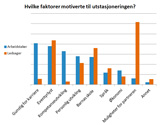 Som forventet er det er forskjellige ting som motiverer arbeidstaker og ledsager for en utstasjonering, og for arbeidstakere er det karrierehensyn som veier tyngst. Men bedt om å fordele 100 poeng på elementer som bidro til valget om å utstasjoneres, var det kun ca. 40 poeng som i snitt ble gitt til elementer knyttet til jobb. . .... Les mer Som forventet er det er forskjellige ting som motiverer arbeidstaker og ledsager for en utstasjonering, og for arbeidstakere er det karrierehensyn som veier tyngst. Men bedt om å fordele 100 poeng på elementer som bidro til valget om å utstasjoneres, var det kun ca. 40 poeng som i snitt ble gitt til elementer knyttet til jobb. . .... Les mer |
6 råd for å vedlikehold språk etter en utstasjonering 23. februar 2015
 For mange betyr noen år i utlandet at barna har lært et fremmed språk. I seg selv er dette fantastisk da det vil gjøre det lettere for dem i lære nye språk i fremtiden, uavhengig av hvor mye de husker av språket. Er det mulig å vedlikeholde språket i årene etter utstasjoneringen, vil dette være enda bedre. (Det samme gjelder i høyeste grad for voksne.) Rådene for å lære språk.... Les mer For mange betyr noen år i utlandet at barna har lært et fremmed språk. I seg selv er dette fantastisk da det vil gjøre det lettere for dem i lære nye språk i fremtiden, uavhengig av hvor mye de husker av språket. Er det mulig å vedlikeholde språket i årene etter utstasjoneringen, vil dette være enda bedre. (Det samme gjelder i høyeste grad for voksne.) Rådene for å lære språk.... Les mer |
7 råd for å lære et nytt språk14. januar 2015
 Å lære lokalspråket åpner landet og kulturen på en fantastisk måte, og dramatisk forbedrer den sosiale interaksjonen på jobb og sosialt. Dessverre kan det være krevende å lære et nytt språk, særlig som voksen og med mange andre ansvar i hverdagen. Her er syv råd som kan gjøre det enklere..... Les mer Å lære lokalspråket åpner landet og kulturen på en fantastisk måte, og dramatisk forbedrer den sosiale interaksjonen på jobb og sosialt. Dessverre kan det være krevende å lære et nytt språk, særlig som voksen og med mange andre ansvar i hverdagen. Her er syv råd som kan gjøre det enklere..... Les mer |
4 måter sosiale medier gjør utstasjoneringen bedre driv7. januar 2015
 Å flytte til utlandet fører til et vell av opplevelser, fra det hverdagslige til det eksotiske. Faktisk, så mange at de fleste får rett i glemmeboken fremfor å bli gode minner.
Sosiale medier gir verktøy som bidrar til møte med flere, og mer relevante personer, forenkler kontakten med venner hjemme, åpner for invitasjoner og ivaretar minner.
Ikke la egne forutinntatt meningers ... Les mer Å flytte til utlandet fører til et vell av opplevelser, fra det hverdagslige til det eksotiske. Faktisk, så mange at de fleste får rett i glemmeboken fremfor å bli gode minner.
Sosiale medier gir verktøy som bidrar til møte med flere, og mer relevante personer, forenkler kontakten med venner hjemme, åpner for invitasjoner og ivaretar minner.
Ikke la egne forutinntatt meningers ... Les mer |
Arbeid i utlandet gir økt stress, som kan ofte redusere produktivitet7. oktober 2014
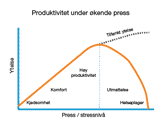 Første periode i utlandet øker stressnivået: Det er nye situasjoner, kolleger og kultur å forholde seg til, samtidig med at kjente løsninger ikke fungerer like godt som før. I noen tilfeller gir dette økt energi og driv, men når presset blir for høyt, bikker det over til destruktivt stress ... Les mer Første periode i utlandet øker stressnivået: Det er nye situasjoner, kolleger og kultur å forholde seg til, samtidig med at kjente løsninger ikke fungerer like godt som før. I noen tilfeller gir dette økt energi og driv, men når presset blir for høyt, bikker det over til destruktivt stress ... Les mer |
Etiske verktøy kan gi svar når sunt bondevett ikke fungerer.20. august 2014
Kultur kan ses som en samling normer og verdier som en gruppe deler. Enklere sagt: Hva vi syns er rett og galt, hva som er rettferdig og riktig, og hva vi ser som ønskelig og prisverdig.. ... Les mer |
Er du ledsager på en utstasjonering? Da har du muligheten til å prøve varierte kurs, undervist av verdensstjerner helt gratis.3. april 2014
Er du en av oss som gjerne skulle ta noen interessante kurs, men som ikke finner tid? En utstasjonering betyr at en ny hverdag med nye rutiner skapes, som ledsager er dette en mulighet til å prøve noe nytt. ... Les mer |
Tokarriereproblematikk? En utstasjonering kan by på gode utviklingsmuligheter for ledsager12. mars 2014
En vanlig grunn til ikke å ta en utstasjonering, er at ektefellen er i full jobb og ikke kan ta en pause fra karrieren. Dette argumentet fokuserer på hva som forlates uten å ta høyde for muligheter som finnes i utlandet. Utvalget av tilbud er bredt og de aller fleste kan ... Les mer |
Få full verdi av LinkedIn når du jobber internasjonalt 20. november 2013
Den største verdien i LinkedIn ligger i å profilere seg til nye bekjente og det perifere nettverket. Din profil er en viktig informasjonskilde når disse vil oppdatere sitt inntrykk av hvem du er og hva du kan.
... Les mer |
Utstasjonerte fortjener god støtte i repatrieringsprosessen 31. oktober 2013
ASC studien på ansatte som utstasjoneres viser at de har mellom 5 og 25 år arbeidserfaring og scorer svært høyt på arbeidstilfredshet. Ved endt utstasjonering har de også fått erfaring fra selskapets virke i utlandet. Dette er altså svært verdifulle ansatte.
Men hvordan opplever de returen? Hvordan vil de huske rollen selskapet spilte i fremtiden?
... Les mer |
Skap flaks ved å ta hensyn til lokal overtro 22. august 2013
De fleste av oss fnyser av overtro, ser det som irrasjonelt og helt uten en plass privat eller på jobb. Slik er det ikke i andre land, hvor tro og overtro spiller en mye større rolle. I USA innrømmer 25% å være overtroisk, og i Kina... . Les mer |
Sett deg inn i lover og regler når du skal bo i et fremmed land 5. august 2013
Et lands lover og regler er som oftest et produkt av verdiene i landet. Dette betyr at en kommer langt med sunt bondevett, instinkt og fornuft i forhold til hva som er rett og galt, lovlig og ulovlig, så lenge en er i sitt eget land. Når en flytter til et annet land, med en fremmed kultur, er det andre regler som gjelder; disse bør en lære seg å ta hensyn til. Les mer |
Tverrkulturellmotivasjon øker arbeidseffektiviteten på jobb i utlandet 11. April 2013
Ny forsking* fremhever to faktorer som særlig påvirker ansattes produktivitet de første månedene i et nytt land. Den første er tverrkulturell motivasjo .... Les mer |
Small talk: Et verdifullt verktøy for å bygge relasjoner 27. Februar 2013
Small talk benyttes daglig i mange situasjoner; ... For mange er hensikten å holde en hyggelig tone og for å unngå pinlig stillhet. Small talk kan imidlertid også brukes strategisk .... Les mer |
Bruk av sosiale medier for å skape muligheter ved utstasjonering 1. Februar 2013
En utstasjonering innebærer at man reiser fra sitt sosiale og profesjonelle nettverk for å etablere seg i et fremmed land. Denne prosessen er nært knyttett.... Les mer |
En utstasjonering endrer premissene for vår identitet30. Oktober 2012
For mange innebærer utstasjonering å flytte fra en kjent til en fremmed kultur som også endrer grunnlaget for personens identitet. En slik endring er stressendet.... Les mer |
Repatriering: Hvor er den røde løperen?23. Septembe 2012
Utstasjonerte forventer at returen til hjemmelandet vil være problemfri, logikken: "det kan ikke være noe problem å flytte hjem, det landet kjenner vi jo" er vanskelig å rokke.... Les mer |
Norsk lederstil kan være svært effektiv i utlandet når tilpasset lokale forhold30. August 2012
Hva man forventer av en leder og hvordan man skal utøve lederskap er i stor grad avhengig av den kulturelle settingen man er i. Eksplisitt.... Les mer |
Tilgang til eldre artikler krever innlogging. |
Å reise med barn8. August 2012
Når en familie bestemmer seg for å ta en utstasjonering, aksepterer de også at det blir mye reising. Les mer |
Religionsforståelse er viktig for å forstå mange kulturer og samfunn31. Mai 2012
Gjennom historien har religion spilt en sentral rolle i utviklingen av de fleste nasjonale kulturer. Selv om ulike religioner påvirker .... Les mer |
Gi utenlandske arbeidstakere norsk kulturkur15. Mars 2012
En utstasjoneringsprosess har tre stadier: forberedelse, flytting og integrering, som har hvert sitt behov for støtte.... Les mer |
Barn og ungdom bør vedlikeholde "norske" fag når utstasjonert15. Januar 2012
Norske barn som flytter til utlandet har krav på undervisning i fagene: Norsk, KRL og Samfunnsfag; som kan tas igjennom nettskole. Selv om dette betyr ... Les mer |
Hvordan vi sier noe kan være like viktig som hva vi sier12. November 2011
Formen på kommunikasjon er noe vi kan og ofte tar for gitt at stemmer. Går man tettere i sømmen ser man at det er kulturelt betinget forskjeller. To kjernefunksjoner ... Les mer |
En utstasjonering kan øke en persons kreativitet15. September 2011
Ny forskning viser at prosessen av å integrere seg i en ny kultur øker en persons kreative evner og viser økt problemløsningsevner... Les mer |
Etiske verktøy og øvelse øker evnen til å tilpasse seg sitt nye hjemland9. August 2011
Utstasjonerte arbeidstakere, og evt. familie, opplever etiske forskjeller på sosiale og hverdagslige arenaer... Les mer |
|
God "skikk og bruk" forståelse øker gjennomslagskraften i utlandet9. Mai 2011
Både på jobben og ved etablering av et sosialt nettverk i utlandet, er det en fordel å få innpass hos de ansatte og fastboende... Les mer |
Ledsagerrollen: en kritisk faktor for en vellykket utstasjonering 31. Mars 2011
Når en familie eller et par utstasjoneres er det viktig at ledsageren tilpasser seg det nye livet. Den første perioden i utlandet er ofte preget.. Les mer. |
|
Få utstasjonerte barn inn på rett skole i utlandet27. Oktober 2010
Det er flere faktorer som må gjøres riktig for at prosessen skal gi ønsket resultat. .. Les mer |
Første halvår av en utstasjonering representerer en høy stress tilværelse for ansatte3. Oktober 2010
Ved en utstasjonering opplever arbeidstaker og ledsager mange stress situasjoner. Disse kan deles inn i fire grupper... Les mer. |
Anbefalt litteratur for å reise med barn23. September 2010
Om du skal reise med barn, om det er på ferie eller for en utstasjonering, er disse bøkene vel verdt å lese.... Les mer |
| |
| Redaktør: Njål Andersen |